
What changes when your mood shifts?
Mood disorders include conditions such as depression and bipolar disorder. When assessing bipolar disorder, a psychiatrist asks about distinct periods when your energy, sleep and activity changed together, including times when you felt unusually well.
Mania
You may sleep very little and still feel full of energy. Thoughts can race, and spending or other decisions may feel unusually urgent. Mania can seriously disrupt daily life and needs urgent assessment.
Hypomania
You may feel unusually driven, talkative or irritable for several days. People close to you may notice the change even if you feel productive. It is less disruptive than mania and still matters in assessment.
Depression
Activities you usually enjoy may feel flat. You might withdraw, struggle to get started or find that sleep and appetite change. Mentioning earlier periods of high energy can help clarify the picture.

Tell the story in your own order.
You might come in because mornings feel impossible, while someone close to you remembers a week when you barely slept and took on several projects. Both experiences are worth discussing.
Start with one episode
Describe when it began, how long it lasted and what changed at home or work. A rough timeline is enough. If you wish, bring someone who noticed changes that were hard for you to see.
Bring your treatment history
A list of medicines, past prescriptions and any hospital records can help Dr. Anand understand what has helped before. You can also talk about physical health, substance use and family history.
Make a plan for the days between visits.
Treatment depends on the type of episode, your health and what has worked for you. You can discuss medication, talking therapies and how follow-up will fit around your life.
Know your early signs
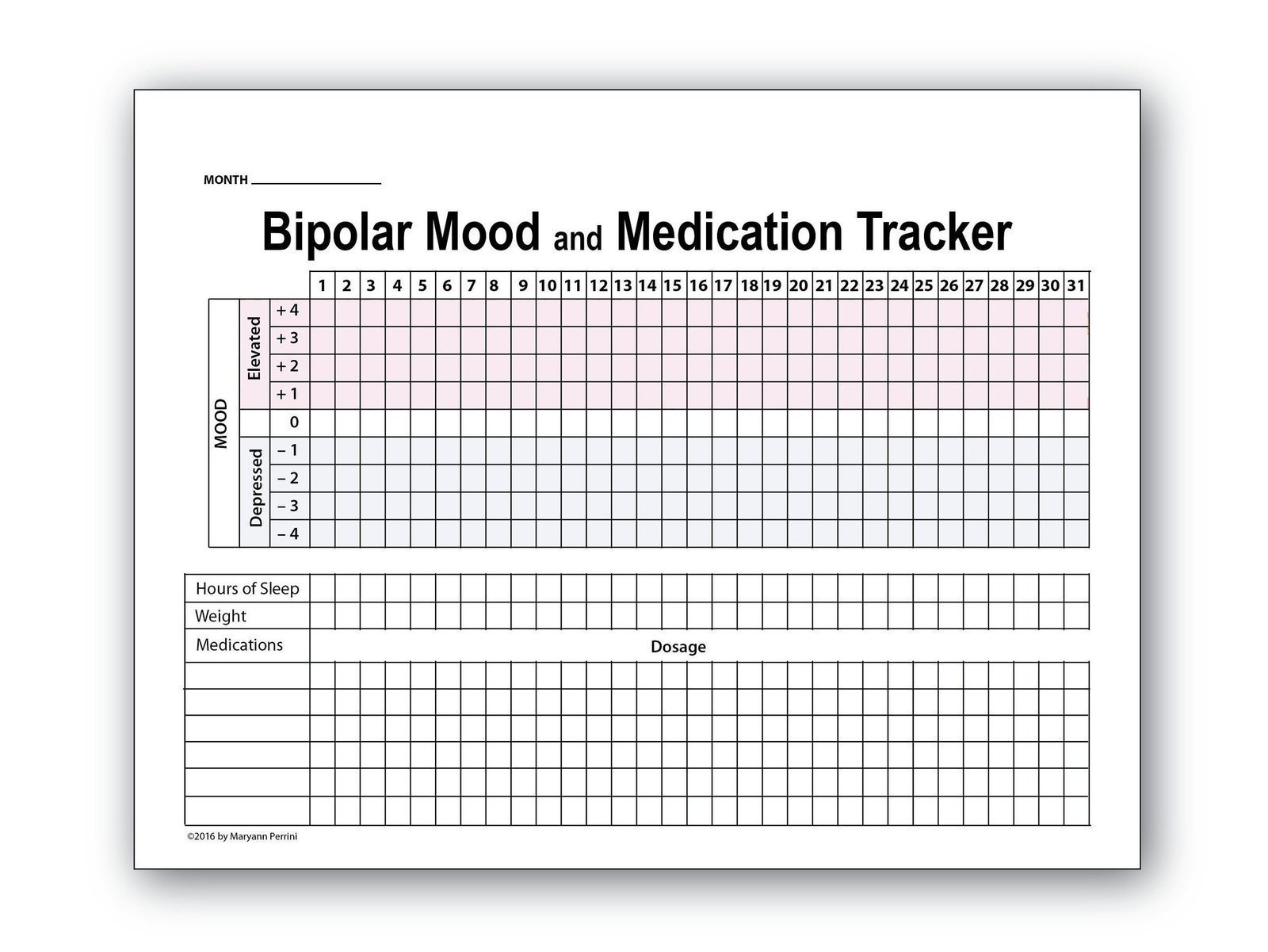
A brief note about sleep, energy or spending can help you spot a change. Agree with your psychiatrist which signs should prompt a call and who you would like involved.
Review how treatment feels
Tell your psychiatrist about side effects or anything that makes treatment difficult to continue. Discuss medication changes with your prescriber before adjusting or stopping a medicine.
Questions about mood changes.
Mood changes can have several causes. Your psychiatrist will ask how long each change lasted, how different it felt from your usual self and what else was happening at the time.
Yes. A settled period can be a good time to review earlier episodes, talk about treatment preferences and make a plan with people you trust.
Start there. If you can, mention any periods when you needed far less sleep than usual or became unusually active or irritable. Even a rough description can help.
If you would like their input, ask about bringing them when you book. You can decide what you feel comfortable sharing and ask to speak with Dr. Anand privately.
When to get urgent help
If you feel increasingly energised or out of control after several nights of very little sleep, seek urgent medical assessment today. If you feel unable to keep yourself or someone else safe, go to the nearest hospital emergency department now. Ask someone you trust to go with you if possible.
Talk through a change you’ve noticed.
Arrange a consultation with Dr. Anand Kumar in Karachi to discuss a recent episode, revisit a diagnosis or review ongoing care.